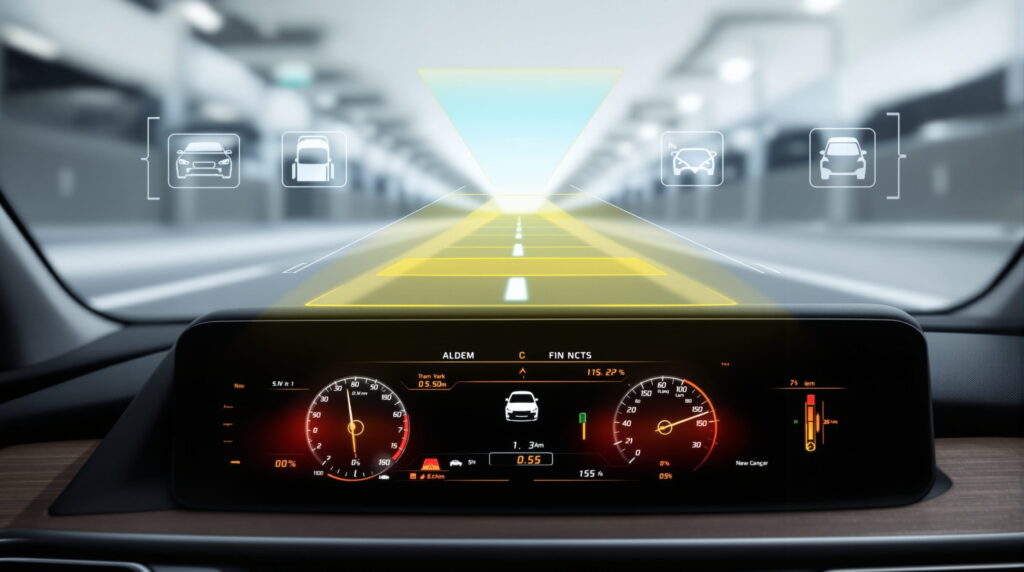
Ensure that the electronic systems integrated into your vehicle are recalibrated immediately following the installation of new glass. This procedure is critical to maintain optimal functionality of safety features like adaptive cruise control and lane-keeping assistance.
Utilize manufacturer-specific equipment to conduct the adjustment process. Each vehicle may have unique requirements, and adherence to these specifications is necessary for accuracy. Ignoring this step can lead to malfunctioning cameras and sensors, which could compromise safety on the road.
Engage with qualified technicians who have received proper training in this specialized area. The precision involved in aligning the sensors with the new glass is not something that should be overlooked. Regular verification of system performance can help to identify any discrepancies early and avoid potential accidents.
Regular follow-ups after the calibration process are advisable. If you notice any irregular sensor behavior, address it promptly to ensure that your driving assistance systems operate as intended, providing a secure driving experience.
Steps to Ensure Accurate ADAS Calibration Post-Glass Replacement
First, confirm that all advanced sensor components are correctly reattached and aligned. This includes forward-facing cameras or radar units integrated into the glass. Misalignment can lead to serious operational issues, so precise positioning is paramount.
Next, perform a visual inspection of the entire setup. Check for any obstructions, debris, or improper sealing around the glass that may interfere with sensor performance. Removing any potential obstructions ensures nothing distorts the sensor data.
Afterward, utilize appropriate diagnostic tools to carry out the recalibration process, following the manufacturer’s specific guidelines. Tools may vary based on system types, and it’s essential to use the correct equipment to ensure accuracy.
Lastly, conduct a road test to verify that all systems function as intended. Observing system responses in real-time provides invaluable feedback on any adjustments needed, helping to confirm that performance meets operational standards.
Common Challenges in ADAS Calibration After Windshield Replacement
Monitoring sensor alignment is crucial. Misalignment can lead to malfunctioning features, affecting overall vehicle safety. Ensuring the correct positioning of sensors after any glass work requires precise measurements.
Environmental factors pose a significant issue. Temperature and humidity can alter the adhesive properties of the materials used. Waiting for optimal conditions may be necessary before performing adjustments.
Software updates may be required. Replacement often compels technicians to check for the latest software versions, ensuring compatibility. Missing or outdated software can lead to miscommunication between systems.
Diagnostic tools must be calibrated appropriately. Ensuring that all equipment is functioning and calibrated correctly can prevent inaccurate readings. Technicians should regularly verify their tools to maintain top performance.
Understanding manufacturer specifications is vital. Each vehicle has specific requirements for sensor recalibration. Technicians need to be well-versed in these nuances to avoid errors.
Customer awareness is another challenge. Many car owners underestimate the importance of proper adjustments after glass work. Raising awareness about potential risks can foster better compliance among vehicle owners.
Finally, training personnel remains essential. Technicians must stay updated on developing technologies and procedures. Continuous education ensures accurate and safe operations in the recalibration process.
Tools and Technologies for Successful ADAS Calibration
Utilize advanced diagnostic devices that specialize in the precision adjustments required for modern vehicle systems. The use of equipment such as the Bosch ADAS solutions or the Hella Gutmann Solutions can streamline the process, ensuring accurate positioning of sensors and cameras.
High-resolution alignment tools are non-negotiable. These tools assist in accurately positioning sensors in relation to vehicle geometry. Consider models like the Autel MaxiSys or the Snap-on Apollo, which are robust and widely used in automotive service centers.
- Choose software platforms designed for calibration tasks, such as Mitchell ProDemand or Alldata. These applications provide comprehensive data on vehicle specifications, including OEM requirements.
- Incorporate augmented reality applications that guide technicians through the calibration process step-by-step, reducing the potential for errors.
High-quality targets used for alignment should be consistently checked for accuracy. Calibration targets must be marked correctly to prevent discrepancies that could lead to system malfunctions.
- Verify data accuracy from sensors post-adjustment to ensure systems are functioning as intended.
- Perform road tests after settings are modified to monitor system behavior and verify integration with other vehicle functions.
Training is critical. Invest in continuous education programs for technicians focusing on the technological advancements in automobile systems. Workshops covering specific tools can greatly enhance capabilities and ensure high standards are met.