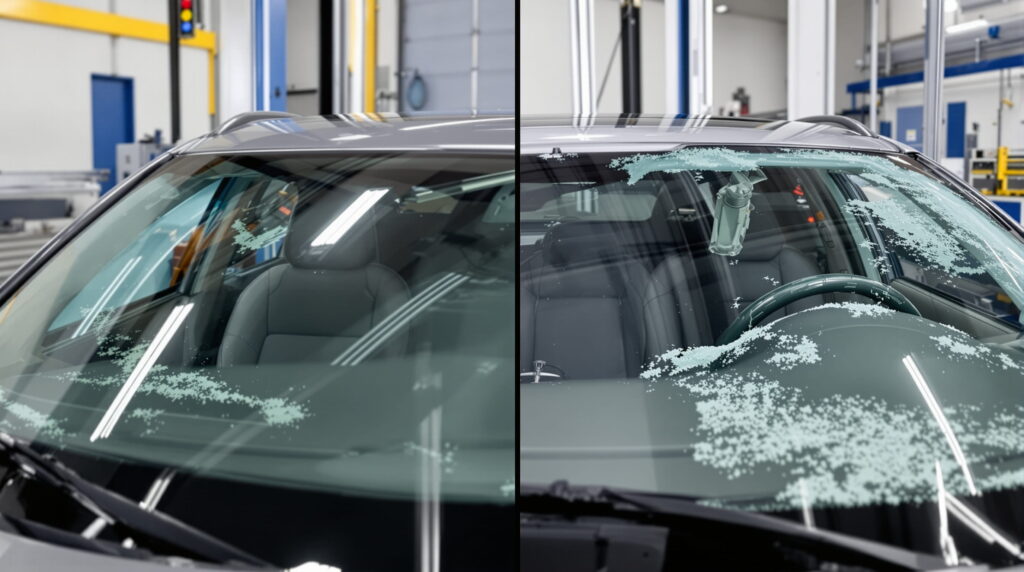
For a dependable replacement, opt for original equipment models. These are crafted by the same manufacturers that produced your vehicle’s factory-installed panels, ensuring a precise fit and compliance with industry safety standards.
Alternative versions can offer cost savings, but remember to evaluate their quality. Often produced by different companies, these panels may not meet the same performance benchmarks, potentially affecting your vehicle’s structural integrity and visibility.
When selecting new panels, review the specifications carefully. Examine features like UV protection, thickness, and adherence to safety regulations. A well-informed decision can safeguard both your vehicle’s longevity and passenger safety.
Key Differences Between OEM and Aftermarket Auto Glass
First and foremost, the primary distinction lies in the source. Original parts are manufactured by the vehicle’s maker or its approved vendors. Quality and specifications are closely adhered to, ensuring an exact fit and performance standard that aligns with the manufacturer’s design. This results in a reliable and seamless integration into the existing structure of your vehicle.
On the flip side, replacement options produced by third-party manufacturers may vary significantly in terms of build quality and compatibility. These alternatives can provide cost savings, but they might lack the precise engineering found in original pieces. Potential differences in clarity and durability could arise, impacting visibility and the long-term integrity of the windshield or window in question. Proper research is advisable when considering various choices.
Pros and Cons of Using OEM Auto Glass
Choosing original equipment supplier materials ensures compatibility with your vehicle, which can lead to better sealing and durability. Many manufacturers utilize stringent quality standards, meaning the materials are designed to perform like the original components. Advantages include:
- Optimal fit for seamless integration.
- Long-lasting performance and reliability.
- Maintains vehicle resale value.
However, using factory-produced windows can come with drawbacks. The primary downside is the cost; typically, these are pricier than alternatives on the market. Additionally, options may be limited when it comes to replacement in non-standard models or older vehicles, potentially causing delays. Weighing these factors can help determine if this route aligns with your repair needs.
Factors to Consider When Choosing Aftermarket Auto Glass
Prioritize safety ratings of the replacement. High-quality panes undergo rigorous testing to ensure resistance against impacts and maintain structural integrity during collisions. Always verify if the item meets or exceeds applicable standards such as FMVSS 212 and 208, which guarantee performance during rollovers and crashes.
Assess the fit and compatibility of the replacement with your vehicle’s make and model. Mismatched components can result in leaks or compromised insulation. Installers should provide specific details to confirm alignment. Furthermore, consider the material and thickness; laminated options, for example, offer better soundproofing and UV protection compared to tempered types.
Warranty provisions play a key role in your purchase decision. Reliable brands typically offer a solid guarantee that covers manufacturing defects and installation issues. Inquire about the terms and duration of the warranty, ensuring that you have support if any problems arise post-installation.