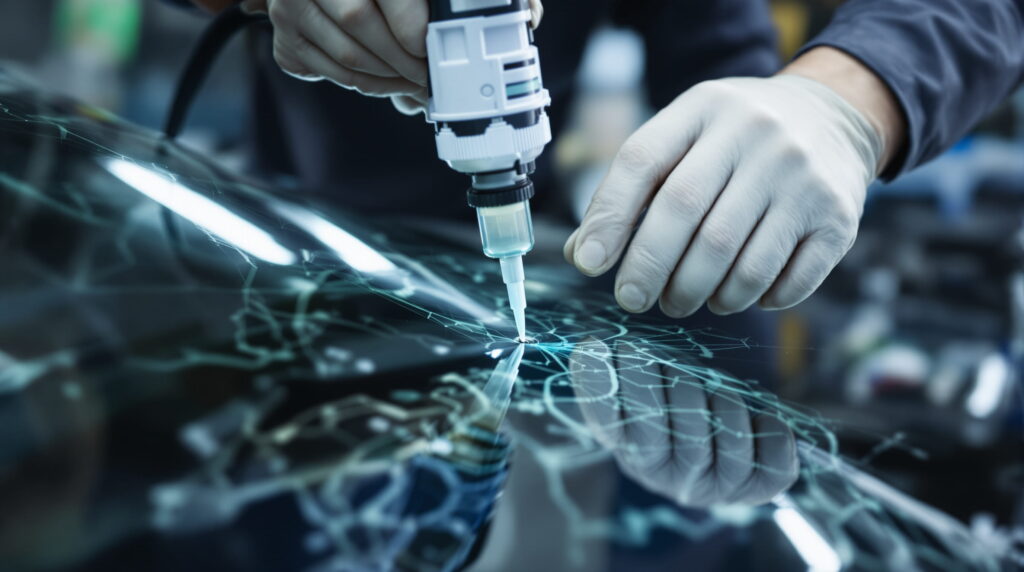
First, assess the dimensions of the damage carefully. If the fissure measures less than six inches, it often can be addressed without full replacement. Conversely, any damage larger than this frequently necessitates more extensive intervention.
Next, consider the position of the fracture. If it’s located within the driver’s direct line of sight, immediate action is advisable to ensure safety. However, areas far from the central view might allow for different approaches.
Weather conditions also play a significant role. Changes in temperature can lead to further deterioration, so address issues proactively. If you notice signs of spreading, take swift measures to mitigate risks.
Lastly, consult with a qualified windshield specialist for a professional opinion. Their expertise can provide clarity on whether a straightforward solution or a more significant adjustment is necessary, guiding an informed choice based on factual data.
Assessing the Size and Location of the Crack
Measure the length and width of the fissure carefully. If it is shorter than six inches and its width doesn’t exceed a quarter of an inch, treatment is likely straightforward. Larger damage typically indicates a need for further evaluation.
Location plays a crucial role in determining the next steps. If the imperfection is in the driver’s direct line of sight, intervention should be prioritized as it can obstruct visibility and increase the risk of accidents.
A crack near the edge of the glass requires special attention. Damage in this area may compromise structural integrity, leading to more significant issues down the line. If the defect is located within three inches from the edge, consult with a specialist.
Consider the type of fracture as well. A star-shaped break or bullseye often allows for simpler fixes compared to long, linear imperfections. Each type has its own challenges, which can affect the outcome of any intervention.
Document your findings and, if needed, contact an expert for advice tailored to the specific circumstances. Timely assessment can prevent further complications and enhance safety while driving.
Understanding Repair Costs vs. Replacement Costs
Addressing a fissure in automotive glass typically ranges from $50 to $150, depending on several factors. The most significant aspect is the size and depth of the damage. Shallow imperfections often incur lower expenses, while extensive damage may result in higher fees due to the complexity of the fix.
On the other hand, substituting the glass can escalate costs dramatically, often between $200 and $1,000. This variance arises from factors such as the vehicle make and model, additional features like tinting or sensors, and labor charges at your chosen service center.
Insurance policies frequently cover a portion of the costs. Many drivers find that handling small imperfections may not affect their premium, allowing for a more affordable solution. Conversely, if opting for a full glass replacement, it’s wise to verify potential increases in future premiums due to claims.
Time investment is another crucial factor. Fixing minor flaws can take anywhere from 30 minutes to an hour, making it a convenient choice. In contrast, a glass change might require several hours, especially if additional adjustments are needed, thus impacting your daily schedule.
Quality of the outcome also varies. A professional resolution of small imperfections often restores the glass’s integrity, ensuring safety. However, full glass changes may not always guarantee the same level of quality, especially if not performed by skilled technicians.
In summary, assessing financial implications and time commitments is vital. An informed choice rests on understanding the specifics of the damage, anticipated costs, and how they align with long-term vehicle care strategies.
Evaluating Safety and Insurance Considerations
Seek a professional assessment if a windshield shows signs of impact. A small fissure can compromise structural integrity, increasing vulnerability in case of an accident.
Consider visibility. Any obstruction from a damaged area can distract or hinder a driver’s view, potentially leading to hazardous situations on the road. Always prioritize clear sightlines.
- Review vehicle manual or consult a professional regarding the safety regulations linked to structural damages.
- Assess the depth and location of the fault. Cracks close to the edge may require more immediate attention than those situated in the center.
Contact your insurance provider to understand coverage aspects related to damages. Some policies waive deductibles for minor imperfections, allowing swift remedies without unexpected costs.
Take into account local laws. Many regions mandate that drivers keep their vehicles free from obstructions to ensure safety. Ignoring these regulations can lead to fines or penalties.
- Document the condition of the glass for your records.
- Gather estimates from multiple service providers to make an informed financial choice.
- Regularly check the condition after any intervention to ensure ongoing safety.